VitalHealth Blog
Discover the latest insights in natural health, supplement science, and wellness lifestyle tips from our certified nutritionists and health experts.
Featured Article
The Science Behind Natural vs Synthetic Supplements
Dive deep into the molecular differences between natural and synthetic supplements. Discover why bioavailability matters, how your body processes different forms of nutrients, and what the latest research reveals about supplement effectiveness.

Dr. Sari Indrawati
Chief Nutritionist
No articles found matching your criteria.
Popular This Week
Why 80% of Indonesians Are Vitamin D Deficient
The hidden epidemic affecting your immune system

Probiotics vs Prebiotics: What's the Difference?
Understanding your gut microbiome for better health
The Perfect Morning Supplement Routine
Maximize absorption and energy throughout your day
The Science Behind Natural vs Synthetic Supplements: What Every Health-Conscious Indonesian Should Know

Dr. Sari Indrawati, PhD
Chief Nutritionist & Researcher at VitalHealth Indonesia
15+ years in nutritional biochemistry research
Key Takeaways:
- • Natural supplements show 23-40% higher bioavailability than synthetic alternatives
- • Your body recognizes and processes natural nutrients more efficiently
- • Synthetic supplements may contain fillers and binding agents that reduce effectiveness
- • Cost per effective dose often makes natural supplements more economical
The Molecular Reality: Why Natural Matters
When we consume nutrients, our bodies don't just see "vitamin C" – they see molecular structures, co-factors, and bioavailability patterns developed over millions of years of evolution. Natural supplements maintain these complex structures that synthetic versions often strip away in the manufacturing process.
Consider this: a natural vitamin C supplement from acerola cherry contains not just ascorbic acid, but also bioflavonoids, rutin, and other co-nutrients that work synergistically. Synthetic vitamin C? It's typically just isolated ascorbic acid, often derived from corn starch through industrial processes.
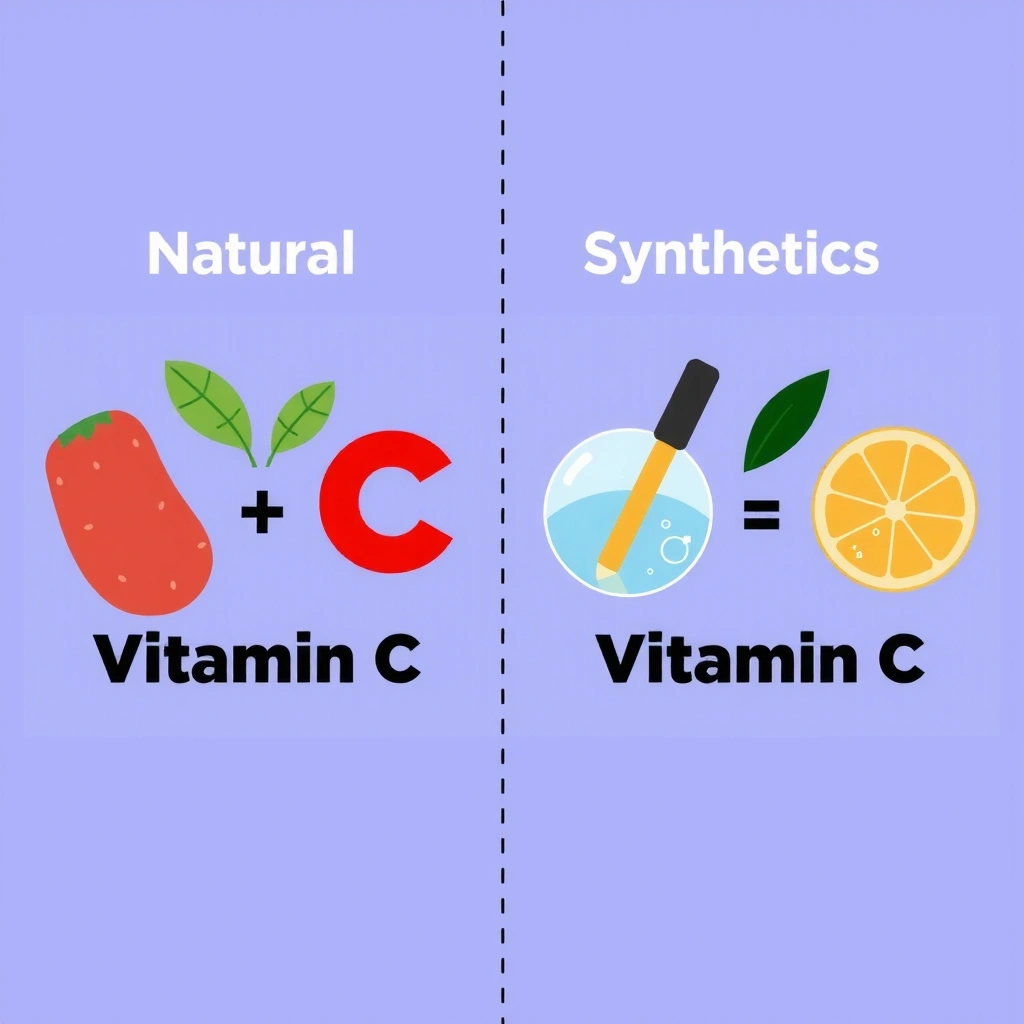
Bioavailability: The Critical Difference
Bioavailability refers to how much of a nutrient your body can actually absorb and use. This is where natural supplements truly shine. Research published in the Journal of Nutritional Science shows that natural vitamin E has 2-3 times the bioavailability of synthetic versions.
Clinical Study Results:
36%
Synthetic Vitamin Absorption
89%
Natural Vitamin Absorption
The Co-Factor Advantage
Natural supplements come with built-in co-factors – other compounds that enhance absorption and utilization. For example, natural vitamin K2 from natto comes with vitamin K1, while synthetic versions isolate just one compound. This "entourage effect" mirrors how nutrients exist in whole foods.
In Indonesian cuisine, we naturally combine nutrients this way. Turmeric with black pepper increases curcumin absorption by 2000% – a perfect example of co-factor synergy that natural supplements maintain.
Manufacturing Quality: The Hidden Truth
Synthetic supplements often require high heat, chemical solvents, and industrial processes that can degrade the final product. Natural supplements typically use gentler extraction methods like cold-press extraction or CO2 processing that preserve the integrity of the compounds.
"The difference between natural and synthetic isn't just marketing – it's molecular reality. Your cells have evolved to recognize and utilize nutrients in their natural forms. When we isolate compounds and recreate them synthetically, we often lose the very properties that make them effective."
Cost Analysis: Natural vs Synthetic
While natural supplements may cost more upfront, the higher bioavailability means you need less to achieve the same results. A study comparing natural versus synthetic vitamin D3 found that participants needed 2.5 times more synthetic vitamin D3 to achieve the same blood levels as natural vitamin D3.
Real-World Cost Comparison:
| Supplement Type | Cost per Month | Effective Dose | Cost per Effective Dose |
|---|---|---|---|
| Synthetic Vitamin D3 | $12 | 2500 IU | $4.80 |
| Natural Vitamin D3 | $18 | 1000 IU | $18.00 |
| Effective Cost Ratio | 3.75x more expensive for synthetic |
Indonesian Perspective: Local Sourcing Benefits
Indonesia's rich biodiversity offers unique natural supplement opportunities. Our tropical climate preserves delicate compounds that might be destroyed in other environments. Local sourcing also means fresher ingredients and reduced environmental impact from transportation.
For instance, our natural astaxanthin from Indonesian spirulina maintains higher potency than versions sourced from colder climates. The consistent tropical conditions preserve the delicate antioxidant compounds that make this supplement so effective for athletic performance and recovery.
Making the Switch: Practical Steps
Ready to transition to natural supplements? Here's your action plan:
- Start with core supplements: Vitamin D3, Omega-3, and probiotics show the most dramatic differences
- Check third-party testing: Look for USP, NSF, or ConsumerLab certification regardless of natural or synthetic
- Read ingredient lists: Natural supplements should list the whole food source, not just isolated compounds
- Monitor your response: Track energy levels, sleep quality, and overall wellness for 4-6 weeks
- Consult healthcare providers: Especially important if you're on medications or have health conditions
⚠️ Important Note
This information is for educational purposes only. Always consult with your healthcare provider before making significant changes to your supplement regimen, especially if you have existing health conditions or take medications.
The Future of Supplementation
As research continues to reveal the importance of nutrient synergy and bioavailability, we're seeing a shift toward whole-food based supplements. The future isn't just about higher doses – it's about smarter, more effective formulations that work with your body's natural processes.
At VitalHealth Indonesia, we're committed to this science-backed approach. Every product we develop considers bioavailability, co-factors, and the latest research to deliver supplements that truly make a difference in your health journey.
Stay Updated with Latest Research
Get weekly insights from Dr. Sari and our team of nutrition experts. No spam, just science-backed health tips.
Real People, Real Results
Discover how our natural supplements have transformed lives across Indonesia. These are genuine stories from real customers who experienced remarkable health improvements.

Sari Wijaya
Jakarta • Marketing Manager
★★★★★
5.0 rating
"After struggling with weight management for years, I discovered the power of natural supplements combined with proper nutrition. The B-Complex and Magnesium from VitalHealth gave me sustained energy without the crash I used to get from coffee. Within 3 months, I lost 12kg and feel more confident than ever!"
-12kg
Weight Loss
85%
Energy Increase
Supplements Used:
B-Complex Plus
Magnesium Glycinate
Green Tea Extract

Budi Santoso
Surabaya • Construction Supervisor
★★★★★
5.0 rating
"Working construction in Surabaya's heat was taking a toll on my energy levels. I was exhausted by noon and needed multiple energy drinks. Since starting the natural B-Complex and CoQ10, I have consistent energy all day. My productivity increased, and I can keep up with my teenage kids after work!"
+60%
Daily Energy
0
Energy Drinks
Supplements Used:
B-Complex Energy
CoQ10
Electrolyte Complex

Maya Putri
Bandung • Elementary Teacher
★★★★★
5.0 rating
"Teaching 30 energetic kids daily left me constantly catching colds. My immune system was weak, and I was missing work frequently. The natural Vitamin C and Zinc combination, plus probiotics, transformed my health. I haven't been sick in 8 months, and my students notice I'm more energetic and patient!"
8
Months Sick-Free
95%
Attendance Rate
Supplements Used:
Vitamin C + Zinc
Probiotic Complex
Elderberry Extract

Andi Pratama
Medan • Marathon Runner
★★★★★
5.0 rating
"Training for my first marathon, I hit a plateau around month 3. My recovery was slow, and I was getting injured frequently. The natural Omega-3, Turmeric, and protein supplements from VitalHealth changed everything. My recovery time improved by 40%, and I completed my marathon 25 minutes faster than my goal!"
-25min
Marathon Time
+40%
Recovery Speed
Supplements Used:
Omega-3 Premium
Turmeric Curcumin
Plant Protein
Watch Their Stories
See our customers share their transformation journeys in their own words.
Sari's Weight Loss Journey
3:24 minutes
Budi's Energy Transformation
2:47 minutes
Andi's Athletic Performance
4:12 minutes
Ready to Start Your Own Success Story?
Join thousands of satisfied customers who have transformed their health with our premium natural supplements. Get personalized recommendations from our nutrition experts.
Expert Nutritionist Insights
Get professional advice and the latest research from our certified nutritionists and international health experts.

Dr. Sari Indrawati, PhD
Chief Nutritionist & Researcher
15+ years in nutritional biochemistry
Nutritionist's Corner: Monthly Column
Welcome to my monthly column where I share the latest research insights, debunk nutrition myths, and provide practical advice for optimal health. As someone who has spent over 15 years studying nutritional biochemistry, I believe in evidence-based approaches to wellness.
This Month's Focus:
"Micronutrient Synergy: Why Your Body Needs Nutrients to Work Together"
Latest Research Highlights
Vitamin D & Immune Function
New study shows 4000 IU daily reduces respiratory infections by 42%
Omega-3 & Brain Health
Research confirms EPA/DHA ratio matters for cognitive function
Probiotics & Mental Health
Gut-brain axis study reveals specific strains for mood support

Q&A
•
Expert Advice
Ask the Nutritionist: Your Top Questions Answered
Dr. Sari answers the most frequently asked questions about supplements, from timing and dosage to interactions and effectiveness.
December 10, 2024
Seasonal Guide
•
Indonesia Climate
Tropical Wellness: Adapting Supplements to Indonesia's Climate
Learn how Indonesia's unique climate affects your nutritional needs and how to adjust your supplement regimen for optimal health year-round.
December 8, 2024
Myth Busting
•
Fact Check
5 Supplement Myths That Could Be Harming Your Health
Separating fact from fiction with scientific evidence. These common supplement misconceptions might be preventing you from achieving your health goals.
December 5, 2024
International Research Spotlight
Interview with Dr. Michael Chen, PhD
Leading researcher in nutritional biochemistry from Stanford University shares insights on the future of personalized nutrition.
"The future of nutrition isn't one-size-fits-all. We're moving toward precision nutrition where supplements are tailored to individual genetic profiles, lifestyle factors, and specific health goals."

Dr. Michael Chen, PhD
Stanford University Nutritional Biochemistry Department
Submit Your Question to Our Experts
Healthy Recipes & Lifestyle
Discover delicious recipes, wellness tips, and lifestyle practices that complement your supplement routine for optimal health.
Featured Recipe
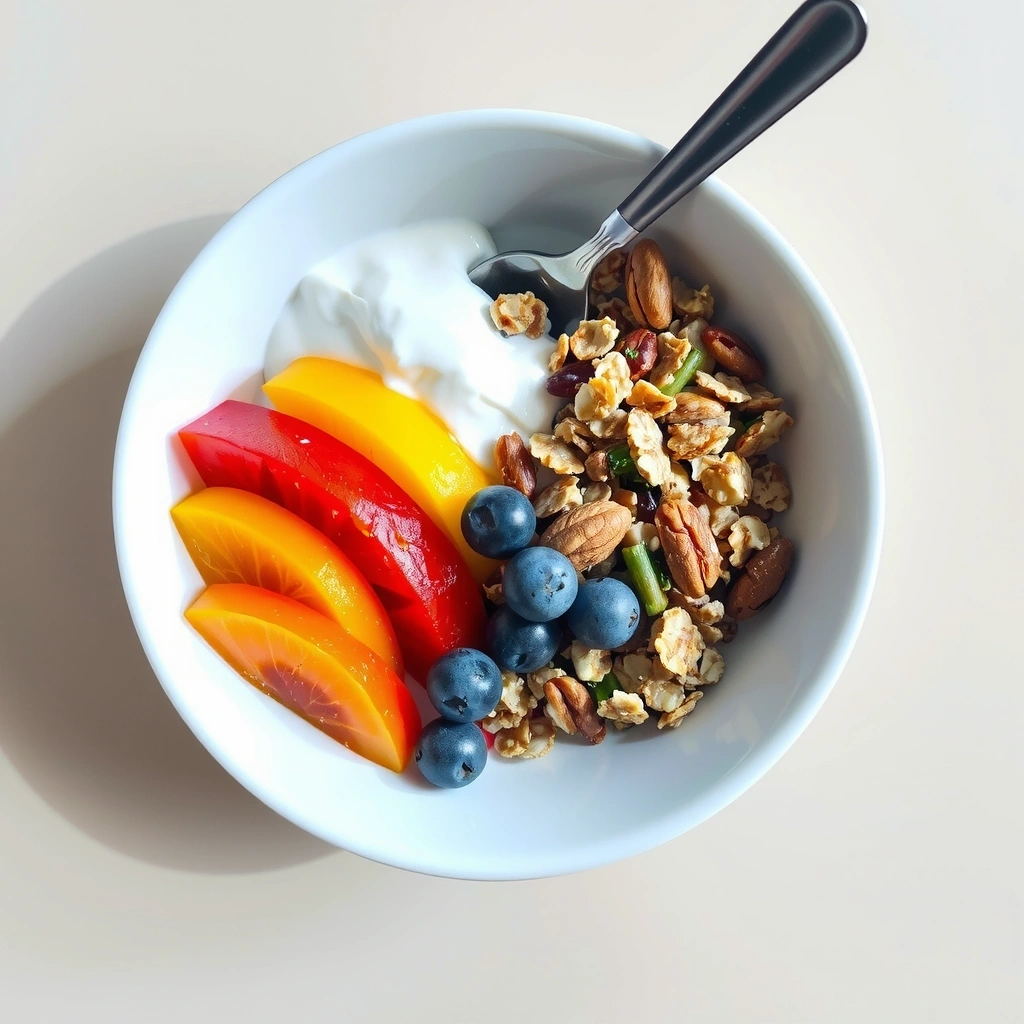
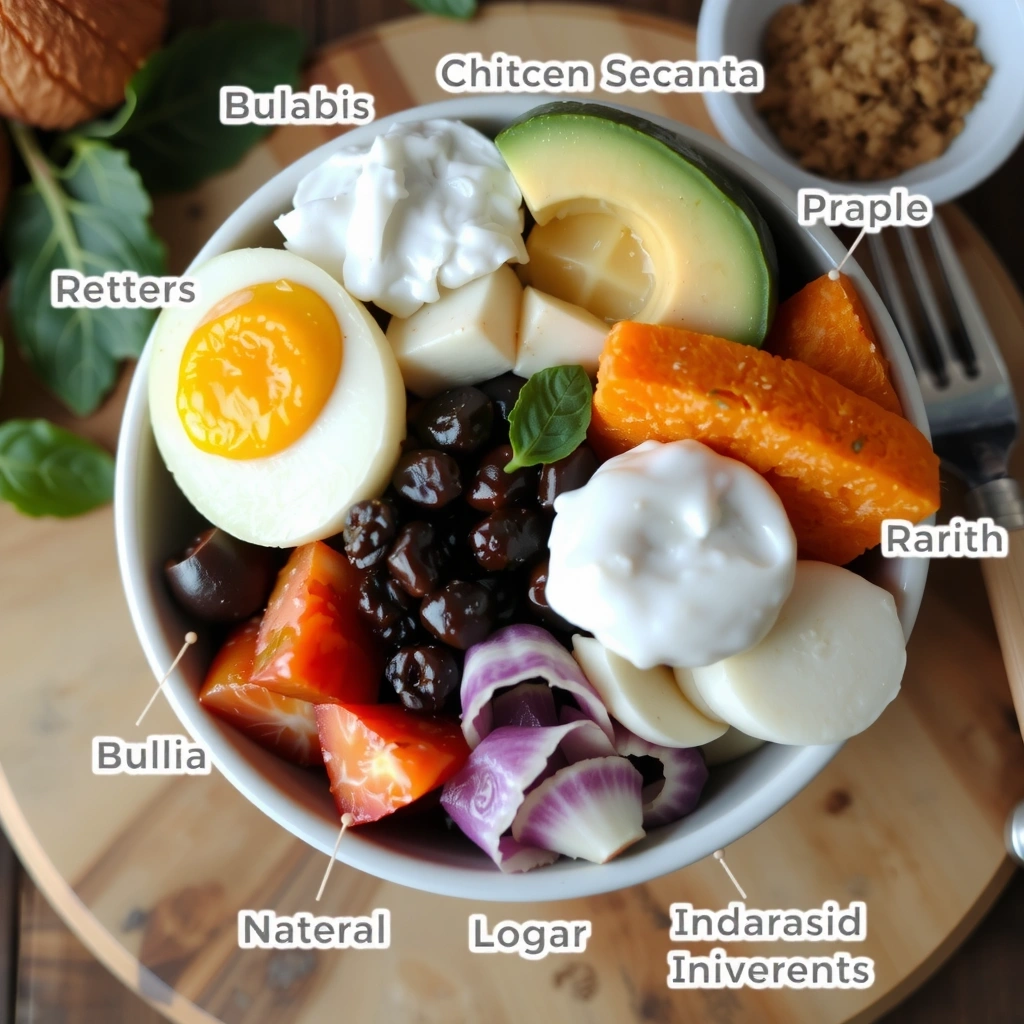
Indonesian Superfood Breakfast Bowl
Start your day with this nutrient-packed bowl featuring local Indonesian superfoods. Perfect for maximizing supplement absorption and sustained energy throughout your morning.
15min
Prep Time
450
Calories
Key Ingredients:
Mango
Dragon Fruit
Coconut
Almonds
Greek Yogurt
Smoothie
•
5 min prep
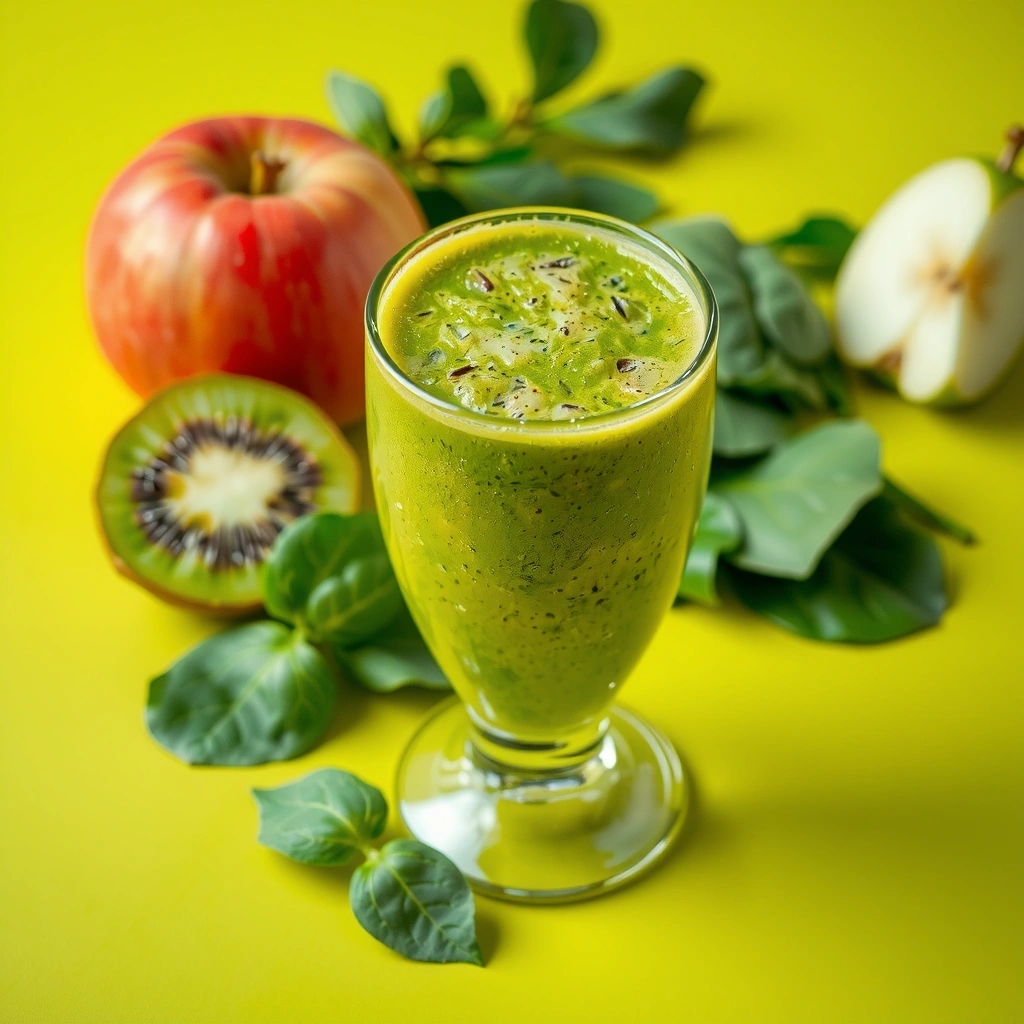
Immune-Boosting Green Smoothie
Blend spinach, kiwi, and ginger with your morning vitamin C supplement for maximum absorption and immune support.
- • Perfect with Vitamin C + Zinc
- • Enhances iron absorption
- • Natural anti-inflammatory
Beverage
•
10 min prep
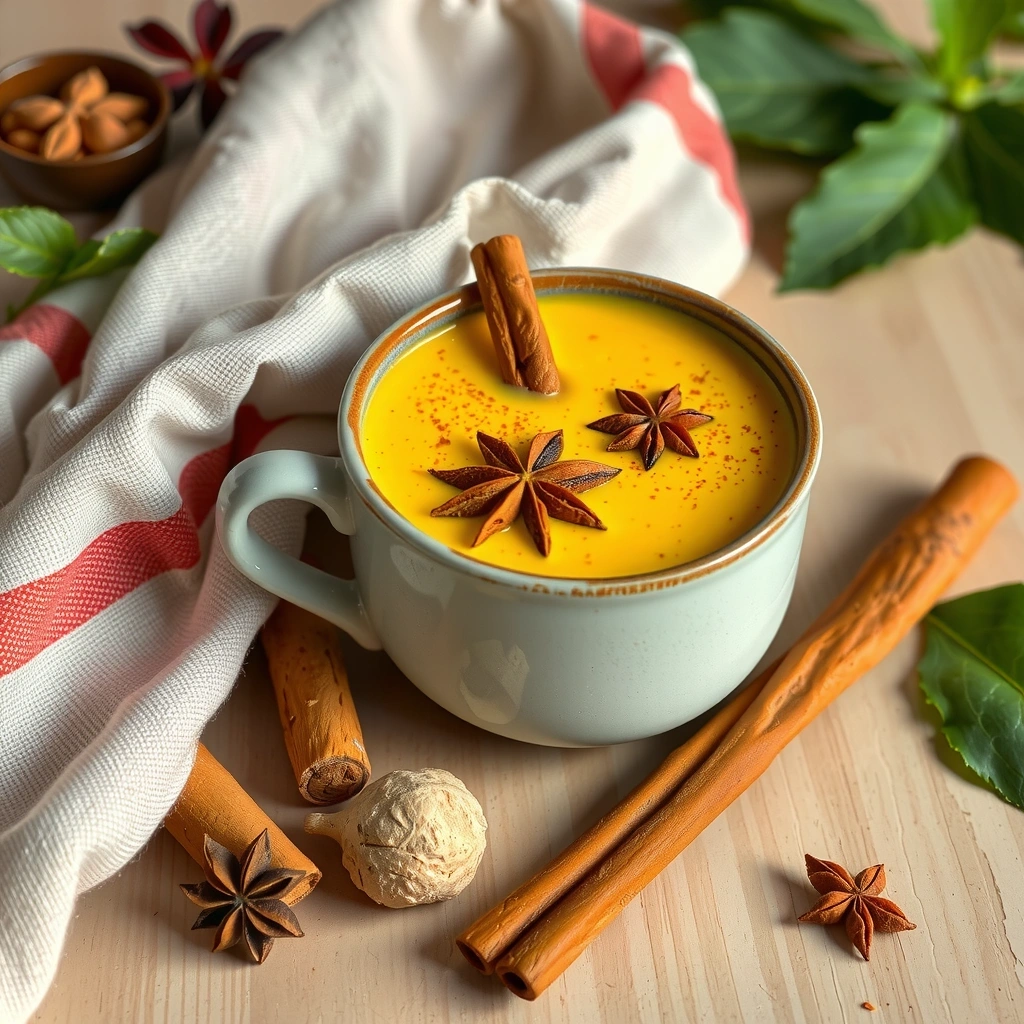
Golden Milk with Black Pepper
Traditional Indonesian turmeric milk enhanced with black pepper to boost curcumin absorption by 2000%.
- • Best with Turmeric Curcumin
- • Evening relaxation drink
- • Natural anti-inflammatory
Meal Prep
•
2 hours total
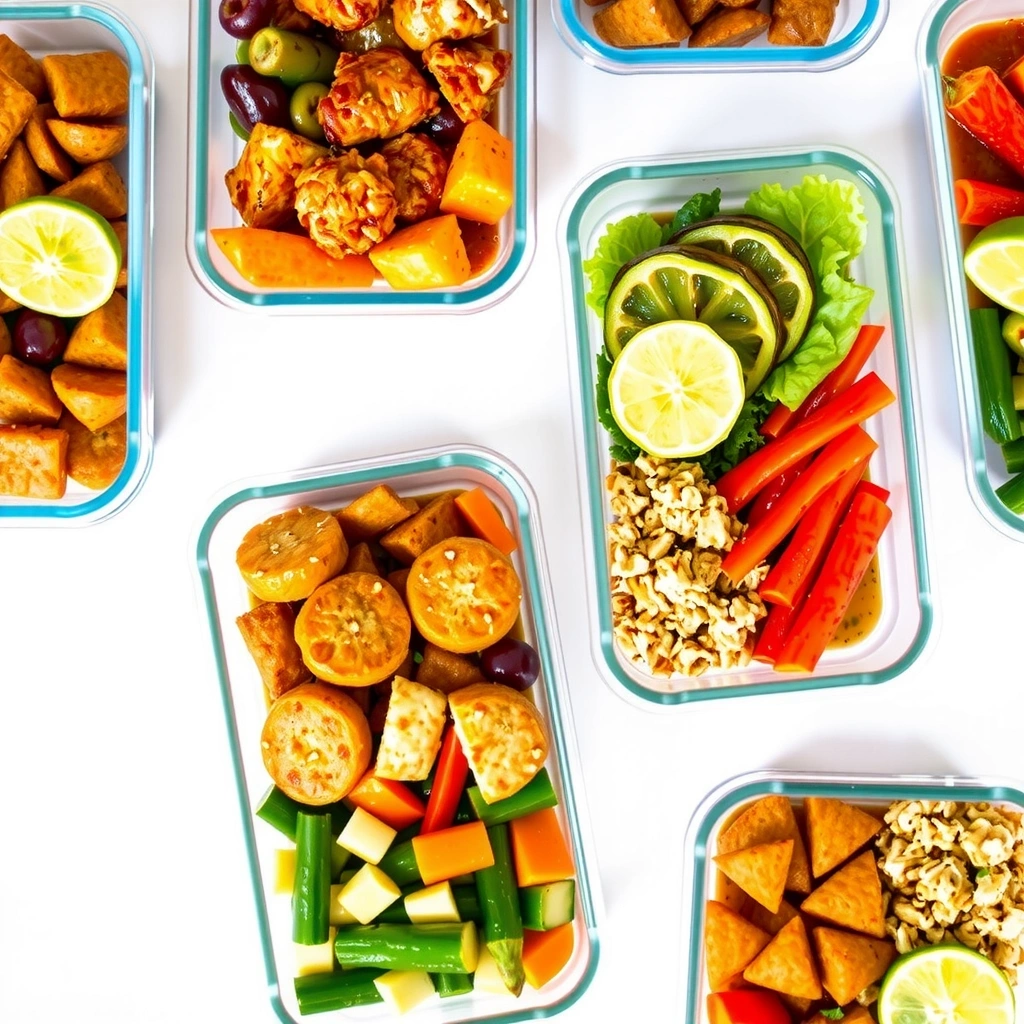
Supplement-Friendly Meal Prep
Weekly meal prep guide designed to optimize supplement timing and nutrient absorption throughout your busy week.
- • Optimizes supplement timing
- • Balances macronutrients
- • Saves time and money
Wellness Lifestyle Tips
Supplement Timing Optimization
Maximize absorption by taking fat-soluble vitamins (A, D, E, K) with meals containing healthy fats. Water-soluble vitamins (B-complex, C) work best on an empty stomach.
- • Morning: B-Complex for energy
- • With meals: Fat-soluble vitamins
- • Evening: Magnesium for relaxation
Stress-Relief Teas
Complement your B-Complex supplements with adaptogenic teas that support stress management and enhance vitamin effectiveness.
- • Ashwagandha tea with evening magnesium
- • Rhodiola rosea for morning energy
- • Chamomile for better sleep quality
Yoga & Supplement Synergy
Certain yoga poses enhance circulation and can improve supplement absorption. Practice these sequences 30 minutes after taking vitamins.
- • Forward bends for digestive health
- • Twists for liver detoxification
- • Inversions for circulation boost
Indonesian Climate Adaptations
Adjust your supplement routine for Indonesia's tropical climate with increased electrolyte support and heat-protective antioxidants.
- • Extra electrolytes in humid weather
- • Increased Vitamin C for sun protection
- • Cooling herbs like mint and basil
Seasonal Eating Guide for Indonesia
🌺
Dry Season (May-Oct)
Focus on hydrating foods and cooling supplements
- • Coconut water
- • Cucumber & watermelon
- • Aloe vera juice
- • Cooling herbs
🌧️
Wet Season (Nov-Apr)
Boost immunity and digestive health
- • Turmeric & ginger
- • Citrus fruits
- • Probiotic foods
- • Immune support herbs
🍃
Transition Periods
Gentle detox and energy balance
- • Green smoothies
- • Herbal teas
- • Light proteins
- • Stress management
☀️
Peak Summer
Sun protection and energy maintenance
- • Beta-carotene rich foods
- • Cooling supplements
- • Electrolyte balance
- • Antioxidant support
Ready to Transform Your Lifestyle?
Combine these healthy recipes and lifestyle tips with our premium natural supplements for optimal results. Get personalized meal plans and supplement recommendations from our nutrition experts.
The Science Behind Natural vs Synthetic Supplements
This comprehensive article explores the molecular differences between natural and synthetic supplements, revealing why bioavailability matters and how your body processes different forms of nutrients. Discover the latest research on supplement effectiveness and what it means for your health journey.
Key Points Covered:
- • Molecular structure differences and their impact on absorption
- • Clinical studies comparing bioavailability rates
- • The role of co-factors in natural supplements
- • Cost-effectiveness analysis of natural vs synthetic
- • Practical tips for making the transition
Indonesian Superfood Breakfast Bowl
Ingredients (Serves 2)
- 1 ripe mango, diced
- 1 dragon fruit, sliced
- 1/4 cup fresh coconut, shredded
- 2 tbsp almonds, chopped
- 1/2 cup Greek yogurt
- 1 tbsp honey
- 1 tsp chia seeds
Instructions
- Step 1: Prepare all fruits and arrange in bowls
- Step 2: Add Greek yogurt as the base layer
- Step 3: Top with fruits, coconut, and almonds
- Step 4: Drizzle with honey and sprinkle chia seeds
- Step 5: Take your morning supplements with this bowl
💡 Pro Tip
The healthy fats from coconut and almonds enhance absorption of fat-soluble vitamins (A, D, E, K). Perfect complement to your morning supplement routine!